Evaluating Pink Rose Realistic Watercolor PNG for Professional and Personal Design Projects
Selecting the right floral asset requires balancing aesthetic appeal with technical utility. When designers, event planners, or DIY enthusiasts search for botanical elements, they often encounter a spectrum of styles ranging from flat vector illustrations to hyper-realistic photography. The Pink Rose Realistic Watercolor PNG occupies a specific niche within this landscape, bridging the gap between traditional artistic texture and modern digital flexibility. Understanding the distinct characteristics of this file type is essential for determining whether it aligns with your project’s visual goals and production requirements.
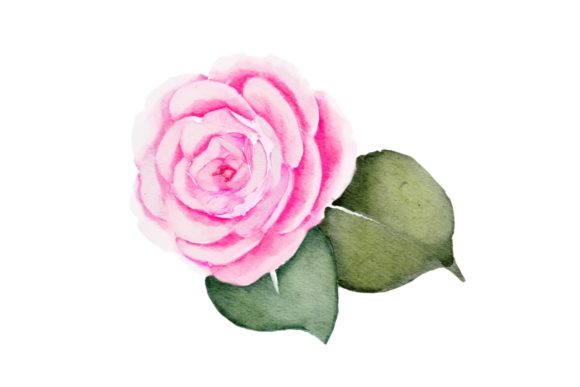
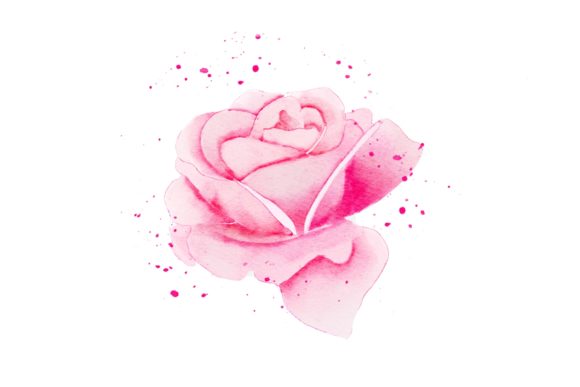
This specific resource is defined by its combination of medium and format. Unlike standard digital paintings that may lack organic imperfection, or stock photographs that carry rigid lighting constraints, a realistic watercolor set captures the fluid dynamics of pigment on paper while maintaining the editability of a digital file. The "realistic" designation implies that the brushwork, color bleeding, and petal translucency mimic physical media rather than stylized interpretation. For users evaluating this 3000px x 2000px asset, the primary value proposition lies in its high-resolution transparency, which allows for seamless integration into complex layouts without the need for extensive post-processing or background removal.
Distinguishing Realistic Watercolor from Vector and Photographic Alternatives
To make an informed decision, it is necessary to compare the Pink Rose Realistic Watercolor PNG against other common floral assets. Each format serves different functional needs, and recognizing these differences prevents mismatched expectations during the design phase.
Watercolor vs. Vector Illustrations
Vector graphics are mathematically generated, offering infinite scalability and clean, sharp edges. They are ideal for corporate branding, large-format signage, or minimalist designs requiring solid blocks of color. However, vectors often struggle to replicate the organic chaos of nature. A pink rose rendered in vector art tends to look polished and manufactured. In contrast, the realistic watercolor PNG retains the granular texture of paper and the soft diffusion of wet paint. If your project demands emotional resonance, vintage elegance, or a handcrafted feel—such as wedding stationery or personal greeting cards—the watercolor option provides a tactile quality that vectors cannot authentically simulate. Conversely, if you require a logo that must remain crisp at any size, the raster-based watercolor file may not be the appropriate choice due to pixelation risks upon extreme enlargement.
Watercolor vs. Stock Photography
Photography offers absolute realism but comes with significant compositional limitations. Stock photos of roses are bound by the original photographer's lighting, angle, and background. Even with advanced masking tools, extracting a flower from a photograph often results in jagged edges or unnatural halos. The Pink Rose Realistic Watercolor PNG eliminates this friction point entirely. Because it is delivered as a transparent PNG at 300 DPI, the subject is already isolated. This distinction is critical for workflows involving layered compositions, such as blog headers or quote overlays. While photography excels at showcasing botanical accuracy, the watercolor PNG excels at decorative versatility, allowing the flower to function as a design element rather than a standalone focal point.
Technical Specifications and Practical Application
Beyond aesthetics, the technical parameters of the file dictate its usability across various media. The specification of 3000px x 2000px at 300 DPI places this asset in a versatile mid-to-high resolution tier. Understanding what these numbers mean in practice helps avoid common production pitfalls.
- Print Viability: At 300 DPI, this image supports high-quality printing up to approximately 10 inches by 6.6 inches without interpolation. This makes it suitable for standard invitation suites (5x7), greeting cards, and journal covers. For larger formats like wedding welcome signs or posters, users should evaluate whether the native resolution suffices or if AI upscaling is required, keeping in mind that upscaling can sometimes soften delicate watercolor textures.
- Digital Flexibility: For web use, blogs, and social media, 3000px provides ample headroom for cropping and resizing. High-density retina displays benefit from this extra pixel count, ensuring the flower remains sharp on mobile devices. The transparent background ensures the asset adapts to any website theme or dark mode interface without awkward white boxes.
- Format Compatibility: The inclusion of both PNG and JPG formats addresses different workflow needs. The PNG is essential for layering over colored backgrounds or textured papers. The JPG version serves as a lightweight preview or a fallback for platforms that do not support transparency, though the primary utility remains with the alpha-channel-enabled PNG.
Ideal Use Cases and Contextual Fit
The Pink Rose Realistic Watercolor PNG is not a universal solution; it is a specialized tool best suited for specific contexts. Evaluating your project against these scenarios can clarify whether this asset is the right investment.
Wedding and Event Stationery
This is perhaps the strongest fit for realistic floral watercolors. The romantic, soft-focus nature of pink roses aligns perfectly with bridal aesthetics. The transparency allows designers to create corner arrangements, border accents, or watermark-style backdrops that frame text without overwhelming it. Compared to clipart bundles that often feature inconsistent lighting or style, a single cohesive realistic set ensures that all invitation elements share the same artistic voice.
Content Creation and Blogging
For bloggers and content creators, unique visuals are paramount for engagement. Generic stock photos can make articles feel impersonal. Integrating a high-quality watercolor rose adds a bespoke, editorial quality to featured images, Pinterest pins, and newsletter headers. The realistic style avoids the juvenile appearance of cartoon florals while remaining more decorative than stark photography. It pairs exceptionally well with serif typography and pastel color palettes often used in lifestyle, wellness, and literature niches.
DIY Crafts and Printables
Makers creating physical products like stickers, cake toppers, or scrapbook pages benefit significantly from the pre-isolated format. Time spent manually cutting out flowers from photos is time lost in creation. The 300 DPI resolution ensures that even small-scale prints maintain clarity, while the large canvas size allows multiple smaller elements to be extracted from a single file if the composition permits.
Limitations and Decision Factors
A balanced evaluation must also address where this resource may fall short. Recognizing limitations upfront saves time and prevents frustration during execution.
Style Specificity: Realistic watercolor is inherently soft and somewhat traditional. It may clash with ultra-modern, brutalist, or neon-aesthetic designs. If your brand identity relies on sharp geometry or high-contrast saturation, this organic, muted style could create visual dissonance. Always test the asset within your actual layout before committing to it.
Resolution Ceilings: While 3000px x 2000px is generous for most applications, it is not infinite. Designers working on billboards, vehicle wraps, or full-wall murals will find this resolution insufficient. In such cases, vector art or ultra-high-resolution macro photography would be superior alternatives. Always calculate your required print dimensions against the 300 DPI standard before purchasing.
Editability Constraints: Unlike vector files where individual petals or colors can be manipulated independently, a raster PNG is a flattened image. Adjusting the hue of just the center petal or reshaping a leaf requires advanced photo editing skills using masks and adjustment layers. Users seeking total creative control over the flower’s anatomy should consider layered PSD files or vector sources instead.
Licensing Considerations: Although not a technical limitation, usage rights are a critical comparison factor. When evaluating this PNG against free alternatives or subscription services, verify the license terms regarding commercial use, modification, and redistribution. A paid, properly licensed asset often provides greater legal security for client work compared to ambiguous free resources.
Making the Final Selection
Choosing the Pink Rose Realistic Watercolor PNG ultimately depends on the intersection of aesthetic intent and technical necessity. It represents a strategic middle ground: more expressive than vectors, more flexible than photographs, and sufficiently detailed for professional print work within its resolution limits. For projects prioritizing warmth, elegance, and ease of compositing, it offers distinct advantages over alternative formats. However, for those requiring infinite scaling, anatomical precision, or modernist styling, other resources may prove more effective.
By weighing these factors against your specific project parameters, you can move beyond subjective preference and select assets based on functional suitability. Whether enhancing a wedding suite, elevating a blog post, or crafting personalized gifts, understanding the capabilities and boundaries of realistic watercolor PNGs ensures that your final output achieves both beauty and technical excellence.