Evaluating Pink Flower Watercolor Realistic PNG for Design Projects
Selecting the right digital assets is a critical step in graphic design, particularly when aiming for an organic or botanical aesthetic. The Pink Flower Watercolor Realistic PNG represents a specific category of digital clipart that bridges the gap between traditional artistic media and modern digital layout tools. For designers, crafters, and content creators, understanding the technical specifications and practical applications of this asset type is essential for determining whether it aligns with project requirements. This evaluation focuses on the utility, limitations, and best-use scenarios for a realistic flower watercolor set contained within a single file format.
Defining the Asset: Technical Specifications and Visual Style
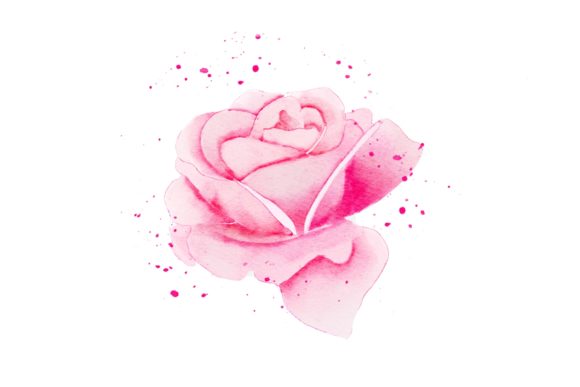
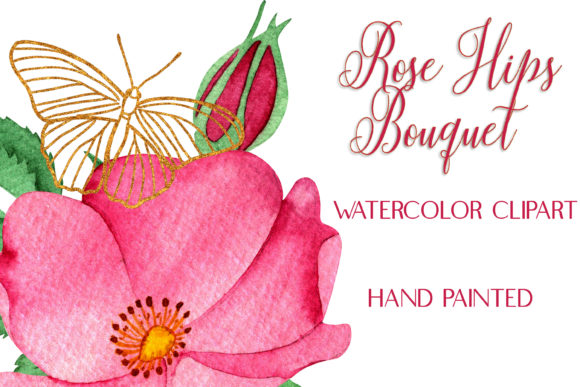
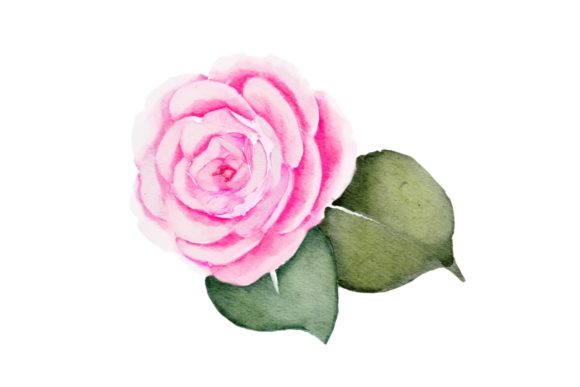
At its core, a Pink Flower Watercolor Realistic PNG is a raster image file designed to mimic the texture, transparency, and pigment flow of traditional watercolor painting while maintaining photographic-level detail. Unlike vector graphics, which rely on mathematical paths, this asset is pixel-based. The specific configuration of 3000px by 2000px at 300 DPI (dots per inch) establishes it as a high-resolution resource suitable for professional print production. The 300 DPI standard is the industry benchmark for offset and digital printing, ensuring that edges remain crisp and color gradients appear smooth without visible pixelation.
The "realistic" designation distinguishes this asset from flat illustrations or stylized cartoons. It implies visible brush strokes, paper grain texture, and natural color bleeding characteristic of wet-on-wet or wet-on-dry watercolor techniques. Furthermore, the transparent background is a defining feature. By removing the white paper backdrop found in original scans, the PNG format allows the floral element to be layered seamlessly over colored backgrounds, textured papers, or other design elements without requiring manual masking or extraction.
Primary Use Cases and Practical Applications
The versatility of a realistic floral watercolor set makes it applicable across both digital and physical mediums. Evaluating potential use cases helps determine if this specific asset supports your current workflow.
- Wedding Stationery: The soft, romantic aesthetic of pink botanical watercolors is a staple in wedding invitation suites. The high resolution allows these flowers to serve as primary focal points on 5x7 invitations or as subtle corner accents on RSVP cards.
- Greeting Cards and Social Stationery: For DIY card makers using platforms like Canva or Photoshop, pre-extracted PNGs significantly reduce production time. The realistic style adds a tactile, handmade quality that digital-only fonts and shapes often lack.
- Blog and Web Headers: While 3000px is excessive for web display, starting with a large file allows designers to crop specific details of the flower for hero images or sidebar graphics without losing clarity on high-density retina screens.
- Product Packaging and Labels: Small businesses creating artisanal packaging often utilize botanical motifs to convey natural ingredients or handcrafted quality. The transparent background facilitates easy placement on kraft paper or colored label stock.
- Quotes and Typography Pairings: Realistic watercolors provide a neutral yet visually interesting negative space. Script typography overlaid on the lighter wash areas of the flower maintains readability while integrating text and image organically.
Benefits of Choosing Realistic Watercolor PNGs
The decision to utilize a Pink Flower Watercolor Realistic PNG over other formats offers distinct advantages in specific workflows. The primary benefit is immediate usability. Because the background is already removed and the resolution is print-ready, the asset requires minimal post-processing. This efficiency is valuable for designers working under tight deadlines or those who lack advanced photo-editing skills.
Additionally, the realistic style offers emotional resonance that vector art sometimes cannot achieve. Watercolor carries connotations of nostalgia, femininity, and nature. When the goal is to evoke a specific mood rather than simply fill space, the organic imperfections of a realistic scan are superior to mathematically perfect vectors. The 3000px x 2000px dimensions also provide flexibility; the file is large enough to be scaled down for business cards or cropped for social media tiles without necessitating multiple purchases or downloads.
Tradeoffs and Technical Considerations
Despite their utility, realistic watercolor PNGs have inherent limitations that must be weighed during the selection process. Understanding these tradeoffs prevents frustration during the design phase.
Raster Limitations vs. Vector Scalability
Unlike SVG or EPS files, a PNG cannot be scaled up infinitely. While 3000px x 2000px is substantial, enlarging this image beyond 100% for large-format printing (such as banners or wall murals) will result in quality degradation. If your project requires massive scale, a vector alternative or a significantly higher resolution TIFF scan may be necessary.
Color Editing Constraints
Realistic watercolors are complex raster images with millions of color variations. Changing a pink flower to blue is not as simple as adjusting a fill color in vector software. Recoloring requires hue/saturation adjustments or selective color replacement tools, which can sometimes produce unnatural artifacts or muddy shadows. If exact brand color matching is mandatory, verify that the pink tone is close enough to your palette before acquisition, or be prepared for advanced color grading.
File Size and Performance
High-resolution PNGs with transparency are data-heavy. A single 3000px x 2000px file can range from 5MB to 15MB depending on compression. Using multiple instances of this asset in a web environment without optimization will negatively impact page load speeds. For digital-only projects, users must plan to export compressed JPG or WebP derivatives rather than using the master PNG directly.
Situational Fit: When to Choose This Asset vs. Alternatives
Determining whether a Pink Flower Watercolor Realistic PNG is the correct choice depends on the intersection of aesthetic goals and technical constraints.
This asset is a strong fit when:
- The project demands a traditional, hand-painted look with visible texture.
- The final output is standard print size (invitations, flyers, labels) or digital display.
- Time efficiency is prioritized over custom illustration.
- The design requires layering over non-white backgrounds.
Alternatives should be considered when:
- Large Format Printing: Billboards or trade show displays require vector art or ultra-high-res photography.
- Strict Brand Guidelines: If the flower must match a specific Pantone color exactly, custom vector illustration provides better control.
- Animation Needs: Raster PNGs are difficult to animate smoothly; separated PSD layers or vectors are better for motion graphics.
- Minimalist/Flat Design: If the overall design language is geometric and flat, a realistic watercolor may clash stylistically. Flat vector florals would maintain visual consistency.
Decision-Making Checklist for Buyers and Users
Before incorporating a realistic flower watercolor set into a project, evaluate the following factors to ensure alignment with your objectives:
- Verify Resolution Requirements: Calculate the physical print size at 300 DPI. At 3000px x 2000px, the maximum high-quality print size is approximately 10 inches by 6.6 inches. Confirm this covers your intended canvas area.
- Assess Background Complexity: Ensure the transparency is clean. Zoom in to check for halos or jagged edges around the petals, which indicate poor extraction quality.
- Evaluate Color Harmony: Place the PNG against your intended background colors. Pink watercolors can vary from cool magenta tones to warm peach tones; ensure the undertone complements your existing palette.
- Check Licensing Terms: Confirm whether the license permits commercial use, especially for products intended for resale like greeting cards or wedding templates. Personal use licenses do not cover client work.
- Test Layering Behavior: Import the file into your primary software (Photoshop, Illustrator, Canva, Procreate) to verify compatibility and performance before committing to the asset for a full project.
By systematically evaluating these technical and aesthetic factors, designers can confidently determine if a Pink Flower Watercolor Realistic PNG serves as an effective foundation for their creative work. The asset offers a balance of artistic authenticity and digital convenience, provided its raster limitations are respected and its style aligns with the project's broader visual narrative.