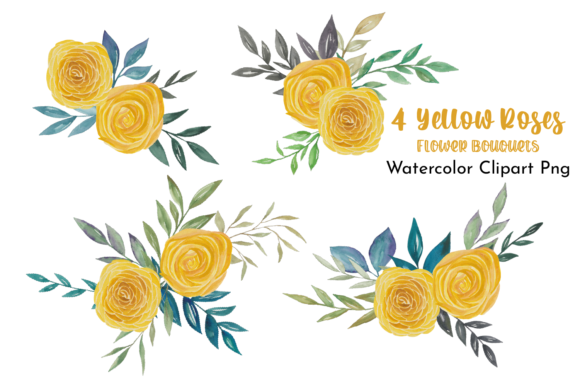
Evaluating Watercolor Yellow Roses Flower Bouquets for Creative Projects
When selecting digital assets for design work, the specific aesthetic and technical quality of the elements are paramount. Watercolor Yellow Roses Flower Bouquets represent a distinct category of digital clipart that bridges traditional artistic techniques with modern digital utility. These assets are characterized by their hand-painted origin, offering an organic texture that differs significantly from vector-based or AI-generated alternatives. For designers, crafters, and hobbyists evaluating supplies for scrapbooks, invitations, or handmade cards, understanding the practical application and limitations of this specific collection is essential for making an informed purchasing decision.
Defining the Asset: Hand-Painted Digital Florals
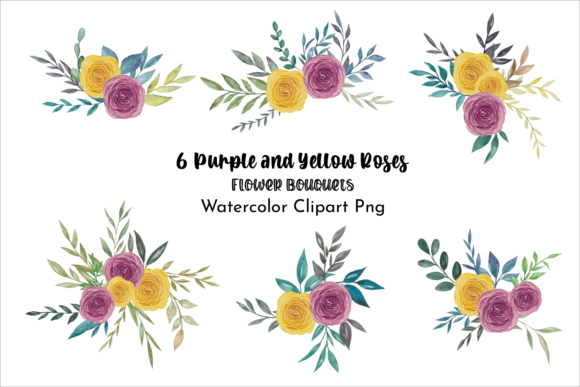
Watercolor Yellow Roses Flower Bouquets are not merely digital illustrations; they are scanned reproductions of physical paintings. The primary distinction lies in the creation process. Each image in this collection originates as pigment on paper, capturing the unpredictable flow of water, the grain of the paper, and the subtle blending of yellow hues that are difficult to replicate synthetically. The collection specifically provides five unique bouquet arrangements featuring yellow roses, delivered as high-resolution PNG files with transparent backgrounds.
The transparency is a critical functional feature. It allows these floral elements to be layered over various backgrounds—whether a solid color, a textured paper scan, or a photograph—without the obstruction of a white box. This technical specification makes them versatile overlays rather than standalone images. The "hand-painted" designation implies that no two petals are perfectly symmetrical, providing an authenticity that appeals to projects requiring a human touch.
Primary Use Cases and Applications
Evaluating whether this collection aligns with your current needs requires examining its intended applications. These assets are optimized for specific creative domains where softness and warmth are desired.
- Scrapbooking and Memory Keeping: Yellow roses traditionally symbolize friendship, joy, and new beginnings. This makes them particularly suitable for layouts documenting friendships, graduations, summer events, or cheerful family memories. The watercolor texture blends seamlessly with physical paper textures often used in digital scrapbooking.
- Invitation Design: For stationery designers, these bouquets serve as focal points or corner accents. The yellow palette is less formal than red roses, making it appropriate for bridal showers, baby showers, birthday parties, and spring weddings. The transparent background facilitates easy integration into existing invitation templates.
- Handmade Crafts and Cards: Crafters creating physical greeting cards can print these high-resolution PNGs onto cardstock. The watercolor aesthetic translates well to print, maintaining its soft edges and color variation. They function effectively as pre-printed embellishments, saving time compared to painting individual elements by hand.
- Digital Creative Projects: Beyond print, these assets work well in social media graphics, blog headers, and digital planners. The organic nature of the watercolor style adds visual interest to otherwise flat digital layouts.
Benefits of Choosing Hand-Painted Watercolors
The decision to utilize Watercolor Yellow Roses Flower Bouquets over other floral graphics often comes down to aesthetic quality and workflow efficiency. The primary benefit is the inherent texture. Digital vectors can sometimes appear sterile or overly perfect. In contrast, hand-painted clipart retains the imperfections that convey artistry. The variation in pigment density within the yellow roses creates depth and dimension that flat colors cannot achieve.
Furthermore, the curated nature of this collection reduces decision fatigue. Rather than sifting through thousands of generic flower images, users receive five cohesive, high-quality arrangements. This curation ensures that all elements share a consistent lighting source, brush style, and color harmony, which is vital when combining multiple elements in a single project. The transparent PNG format also streamlines the editing process, eliminating the need for manual masking or background removal, which can be time-consuming and prone to error with complex watercolor edges.
Tradeoffs and Considerations
While these assets offer significant advantages, a balanced evaluation must acknowledge their limitations. Understanding these tradeoffs prevents frustration during the creative process.
Resolution and Scalability
Unlike vector graphics, which can be scaled infinitely without quality loss, rasterized watercolor PNGs have a fixed resolution. Users must verify the pixel dimensions before purchase to ensure they meet the requirements of their intended output. An image optimized for web use may appear pixelated when printed at a large size for a poster. Conversely, extremely high-resolution files may slow down performance in some crafting software. Evaluating the DPI (dots per inch) relative to your print size is a necessary step.
Color Consistency and Editing
Because these are hand-painted scans, the yellow tones are baked into the pixels. While hue adjustment tools exist in most software, drastically altering the color of a watercolor rose can result in unnatural artifacts or loss of shadow detail. If a project requires a specific shade of yellow or a completely different color scheme, these assets may require significant post-processing or may not be suitable at all. They are best utilized when the existing color palette aligns with the project's vision.
Style Specificity
Watercolor is a distinct stylistic choice. It pairs beautifully with serif fonts, script typography, and organic textures. However, it may clash with ultra-modern, minimalist, or corporate design aesthetics. Users aiming for a sleek, tech-forward look should consider whether the softness of watercolor roses supports or undermines their design goals.
Situational Fit: When to Choose vs. When to Look Elsewhere
Determining if Watercolor Yellow Roses Flower Bouquets are the right investment depends heavily on the specific context of the project.
This collection is a strong fit when:
- The project demands a warm, inviting, and artisanal aesthetic.
- You require ready-to-use floral arrangements rather than individual petals or leaves.
- The medium involves printing on textured paper or designing for personal celebrations.
- You lack the time or skill to paint original watercolors but desire that specific look.
- The symbolism of yellow roses (friendship, joy) aligns with the message being conveyed.
Alternatives may be worth considering when:
- You need fully editable shapes to change petal positions or arrangement structures. In this case, SVG vectors or layered PSD files would be superior.
- The project requires photorealistic botanical accuracy. Watercolor is interpretive; photography or hyper-realistic digital painting would be more appropriate for scientific or realistic contexts.
- You require commercial exclusivity. Digital clipart collections are typically non-exclusive, meaning others may use the same yellow rose bouquets. Brand identity projects requiring unique proprietary assets should commission custom artwork.
- The design format is strictly large-scale print (e.g., billboards). Unless the source files are exceptionally high resolution, painted scans may not suffice.
Practical Decision-Making Insights
For those researching and comparing options, the final decision should rest on a combination of technical verification and aesthetic alignment. Before acquiring Watercolor Yellow Roses Flower Bouquets, review sample previews at 100% zoom to assess edge quality and brushstroke visibility. Ensure the file specifications match your software capabilities and output requirements. Consider the longevity of the asset; classic watercolor florals tend to remain relevant longer than trendy graphic styles, potentially offering better long-term value for a diverse portfolio of crafts and designs.
Ultimately, these hand-painted assets serve as a bridge between traditional artistry and digital convenience. They are best evaluated not just as isolated images, but as components that will interact with your specific backgrounds, typography, and overall composition. By weighing the organic benefits against the technical constraints of raster art, creators can confidently determine if this collection enhances their specific creative objectives.