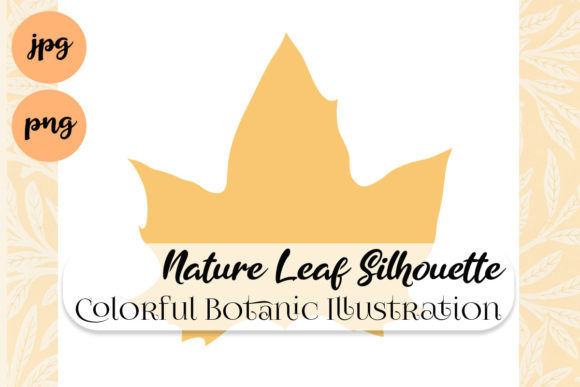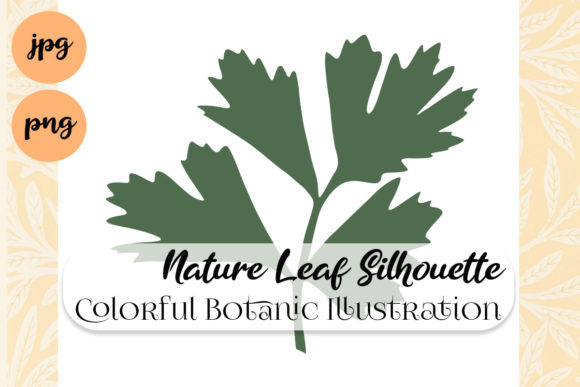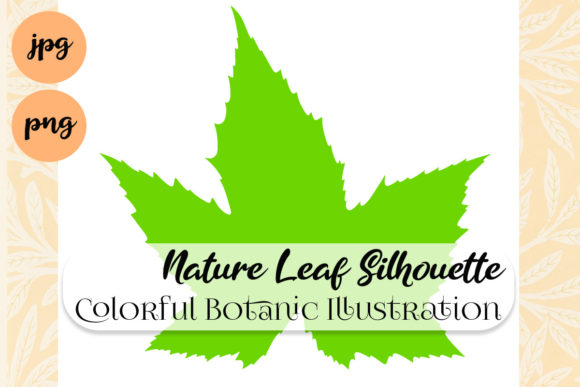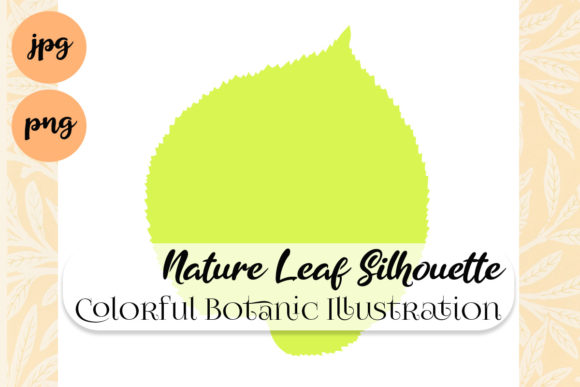
Nature Leaf Colorful Silhouette Stem: A Practical Guide for Creative Projects
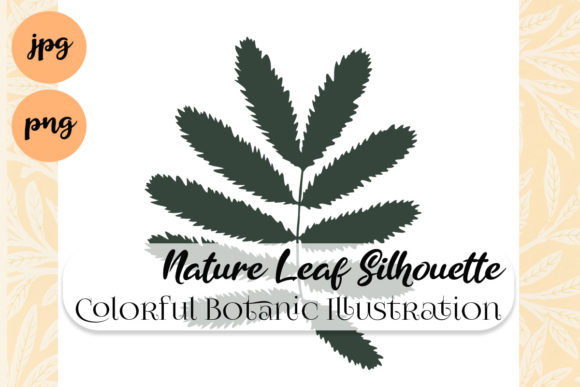
When searching for the perfect botanical element to elevate a design, the Nature Leaf Colorful Silhouette Stem often stands out as a versatile solution. This unique illustration bridges the gap between organic naturalism and modern graphic design, offering a vibrant alternative to standard monochrome vectors. Whether you are designing seasonal invitations, updating a website’s visual identity, or creating educational materials, this asset provides immediate visual interest. However, acquiring a digital illustration is only the first step. The true value lies in understanding how to implement it correctly to avoid common pitfalls that can degrade your final project.
This listing specifically includes two high-resolution files at 300 dpi: one JPG with a white background and one PNG with a transparent background. While this package is ready to drop into creative workflows, many users overlook critical technical nuances. Misunderstanding file formats, resolution requirements, or color management can turn a beautiful asset into a pixelated or disjointed design element. By addressing these issues proactively, you ensure the leaf silhouette enhances rather than detracts from your professional output.
Distinguishing Between File Formats for Specific Uses
One of the most frequent mistakes creators make is using the wrong file format for the intended medium. Because this package includes both JPG and PNG versions, it is tempting to grab whichever file opens fastest or appears first in your folder. This habit often leads to subpar results. The JPG file features a solid white background, which is excellent for print layouts where the leaf sits on a white page or card stock. However, using this version on a colored website background or a textured invitation will result in an unsightly white box surrounding the stem.
Conversely, the PNG file offers a transparent background, making it indispensable for digital overlays and complex compositions. A common error occurs when designers attempt to use the PNG for high-volume commercial printing without checking the color profile. While the transparency is perfect for web design, some older RIP software used in print shops struggles with alpha channels. Always verify your printer’s specifications. For most modern applications, the PNG is your go-to for flexibility, but never assume transparency translates universally across all physical production methods. If you are unsure, test print a small section before committing to a full run.
Resolution Realities: Understanding 300 DPI Limitations
The listing specifies that the illustrations are provided at 300 dpi, which is the industry standard for high-quality printing. A widespread misunderstanding is assuming that 300 dpi guarantees the image can be scaled to any size. Resolution is tied directly to physical dimensions. If the original canvas size is 8x10 inches at 300 dpi, enlarging it to cover a 24x36 inch poster will drop the effective resolution to 100 dpi, resulting in blurriness and artifacting.
To avoid this, check the actual pixel dimensions of the file immediately upon download. Open the image properties or import it into your design software to view the native size. If your project requires dimensions larger than the native file supports, consider using the leaf as a repeating pattern or a border element rather than a central focal point. Alternatively, pair the Nature Leaf Colorful Silhouette Stem with vector elements that can scale infinitely. Recognizing the physical limits of raster art prevents the disappointment of receiving proof copies that look soft or pixelated.
Color Management Across Digital and Print Media
Vibrant colors are a defining feature of this silhouette, but color consistency remains a significant challenge. Screens display color using light (RGB), while printers use ink (CMYK). A leaf that looks electric and neon on your monitor may print as dull or muddy if not managed correctly. Beginners often skip the soft-proofing stage, assuming what they see is what they will get. This oversight is particularly costly for holiday projects where specific color matching is essential for brand cohesion or thematic accuracy.
Before finalizing your design, convert a copy of the file to CMYK and review the color shifts. You may need to adjust saturation or contrast to compensate for the narrower print gamut. For web design, ensure you are exporting in sRGB to maintain vibrancy across different browsers and devices. Additionally, calibrate your monitor regularly. Relying on an uncalibrated laptop screen in a dimly lit room is a recipe for color correction errors. Taking ten minutes to verify color integrity saves hours of rework and ensures the colorful silhouette retains its intended impact.
Integration and Composition Best Practices
Beyond technical specifications, aesthetic integration determines the success of the asset. A unique, colorful leaf is bold by nature. A common design failure is treating it as mere clipart rather than a compositional element. Placing the stem arbitrarily without considering negative space, text hierarchy, or visual flow creates a chaotic layout. The leaf should guide the viewer’s eye, not compete with your message.
- Balance Visual Weight: Since the silhouette is colorful, it carries significant visual weight. Counterbalance it with ample whitespace or simpler typography to prevent the design from feeling heavy.
- Mind the Edges: When using the transparent PNG, ensure the edges blend naturally. Sometimes, residual pixels from the extraction process create a faint halo. Zoom in to 100% and clean up edges if necessary before placing the asset over dark backgrounds.
- Contextual Relevance: While suitable for seasonal projects, ensure the specific color palette matches your theme. A warm-toned autumn leaf might clash with cool-toned winter branding. Adjust hue/saturation layers non-destructively to harmonize the asset with your existing color scheme.
- Layering Strategy: Use the leaf as a framing device behind text or as a foreground element to create depth. Avoid placing detailed text directly over the most intricate parts of the silhouette, as this reduces readability.
Evaluating Suitability Before Purchase
Impulse buying digital assets often leads to unused files cluttering your hard drive. Before adding the Nature Leaf Colorful Silhouette Stem to your cart, conduct a brief suitability audit. Ask yourself if the style aligns with your current and future projects. Is the level of detail appropriate for your typical output size? Does the color palette complement your brand guidelines?
Furthermore, review the licensing terms carefully. While the asset is perfect for invitations and web design, confirm whether your intended use falls within the permitted scope. Commercial use, resale, or modification rights vary between listings. Clarifying these details upfront protects you legally and ensures you are investing in a tool that truly serves your business or creative goals. By approaching this purchase with intention and technical awareness, you transform a simple digital download into a reliable component of your creative toolkit.